

Table of Contents
- What Makes Southern African Sauces Distinctive
- Essential Ingredients in Southern African Sauce Recipes
- Best BBQ or South African Braai Sauce Flavour Pairings for Your Dishes
- How to Use BBQ Sauce as a Marinade
- Monkey Gland Sauce: A South African Classic
- Peri-Peri and Hot Sauce Variations
- Bringing Southern African Flavours to Your Everyday Kitchen
- Frequently Asked Questions
Last Updated: September 26, 2026
What Makes Southern African Sauces Distinctive
Southern African sauce recipes have their roots in centuries of culinary tradition, blending indigenous ingredients with influences from Dutch, Portuguese, and British settlers. The defining characteristic of authentic southern african sauce recipes is their balance of sweet, savoury, and spiced elements that complement slow-cooked meats and grilled vegetables. These sauces emphasise depth of flavour through layered ingredients.
At Waz's Sauce Hut, we've studied how these traditional flavour profiles work in modern kitchens. The key difference lies in technique: proper southern african sauce recipes build flavour gradually through slow cooking and ingredient selection, creating complexity that transforms everyday meals into something memorable. What makes them truly distinctive is their versatility, they work equally well as marinades, glazes, dips, and finishing sauces. And the fruity elements used in South African dishes brings a whole other depth of flavour to even simple dishes like traditional South African Potjie and Charcuterie boards.

The spice profile in these sauces typically balances heat with sweetness, using ingredients like chilli, cinnamon, and ginger alongside tomatoes and fruit. This combination creates sauces that enhance rather than overpower the natural flavours of meat and vegetables. Regional variations exist across Southern Africa, but the core principle remains: build flavour through quality ingredients and patience.
Essential Ingredients in Southern African Sauce Recipes
Creating authentic southern african sauce recipes at home begins with understanding the core ingredients that define the flavour profile. Tomatoes form the foundation, whether fresh, tinned, or as tomato paste, providing acidity and body. Onions and garlic create the aromatic base, whilst spices like cinnamon, coriander, and chilli add warmth and complexity.
Fruit plays a crucial role in many southern african sauce recipes. Dried fruit such as apricots or sultanas adds natural sweetness and depth, whilst fresh fruit like mango or pineapple brings brightness. Vinegar, whether malt, apple cider, or wine vinegar, provides the sharp note that balances sweetness and ties ingredients together.
The supporting cast matters too. Mustard powder, paprika, and ground ginger create layers of flavour that build as the sauce cooks. Some recipes include Worcestershire sauce or soy sauce for umami depth. Fresh herbs like coriander and parsley brighten the finished sauce, though they're typically added at the end to preserve their fresh character.
Quality matters more than quantity here. A handful of excellent ingredients will produce better results than a long list of mediocre ones. This principle is why handcrafted sauces made with carefully selected ingredients are valued, each component is chosen for its contribution to the whole.
Ingredient |
Purpose |
Common Form |
|---|---|---|
Tomatoes |
Base acidity and body |
Tinned or fresh |
Onions & garlic |
Aromatic foundation |
Fresh |
Dried fruit |
Natural sweetness |
Apricots, sultanas |
Spices |
Warmth and complexity |
Ground cinnamon, coriander |
Vinegar |
Sharp balance |
Malt or apple cider |
Mustard |
Depth and tang |
Powder or whole grain |
Best BBQ or South African Braai Sauce Flavour Pairings for Your Dishes
Understanding how to match sauce to protein transforms your cooking. Red meats, beef, lamb, venison, pair beautifully with rich, spiced sauces that have body and depth. The key is matching intensity: bold, slow-cooked meats can handle assertive flavours, whilst leaner cuts benefit from sauces that enhance rather than dominate.
Chicken works with a broader range of flavour profiles. Lighter, fruit-forward sauces complement poultry's delicate flavour, whilst spicier options create contrast. Pork sits between these extremes, its natural sweetness pairs well with sauces that include both savoury spice and fruity notes.
Vegetables deserve equal consideration. Root vegetables like sweet potato and beetroot match well with sauces featuring warming spices and subtle sweetness. Leafy greens and cruciferous vegetables benefit from sauces with sharp vinegar notes and umami depth. The Ambassador from Waz's Sauce Hut works across all these applications, its balance of tomato, chutney, and gentle spice makes it equally at home on a steak, chicken thigh, or roasted vegetables.
Seafood requires a lighter touch. Delicate white fish pairs with subtle, bright sauces rather than heavy, spiced ones. Shellfish, particularly prawns, can handle more assertive flavours if the sauce includes citrus or vinegar to cut through richness.
How to Use BBQ Sauce as a Marinade
Using BBQ sauce as a marinade requires understanding how heat and time transform flavours. The goal is allowing the sauce to penetrate the protein whilst developing a flavourful crust during cooking. Start by selecting a sauce with enough body and acidity to work as a marinade, southern african sauce recipes are naturally suited to this purpose because they already contain vinegar and spices.
The process begins with preparation. Pat your protein dry, then coat it thoroughly with sauce. For best results, massage the sauce into the meat, ensuring it reaches crevices and surface areas. This step helps the flavours penetrate more effectively than simply dunking the protein.
Timing depends on the protein and thickness. Thinner cuts like chicken breasts or fish fillets need 30 minutes to 2 hours. Thicker cuts like beef steaks or lamb shoulders benefit from 4-8 hours or overnight marinating. The longer contact time allows deeper flavour penetration whilst the acidity in the sauce begins to break down proteins, tenderising the meat.
Temperature matters. Keep marinating proteins in the refrigerator, not at room temperature. This prevents bacterial growth whilst the sauce does its work. Before cooking, remove the protein from the refrigerator 20-30 minutes before heat to allow even cooking.
Apply the marinade before cooking, then add fresh sauce during the final minutes if you want additional glaze. The Ambassador works beautifully as a marinade because its balance allows the fruit and spices to develop complexity through cooking.
Monkey Gland Sauce: A South African Classic
Monkey Gland Sauce emerged in South African steakhouses during the 1950s, becoming a beloved classic that defined an era of dining. The sauce combines tomatoes, fruit, spices, and vinegar into a distinctly fruity, slightly sweet condiment that complements grilled meat with remarkable sophistication. Its unusual name has sparked decades of speculation, though its origins remain charmingly mysterious.
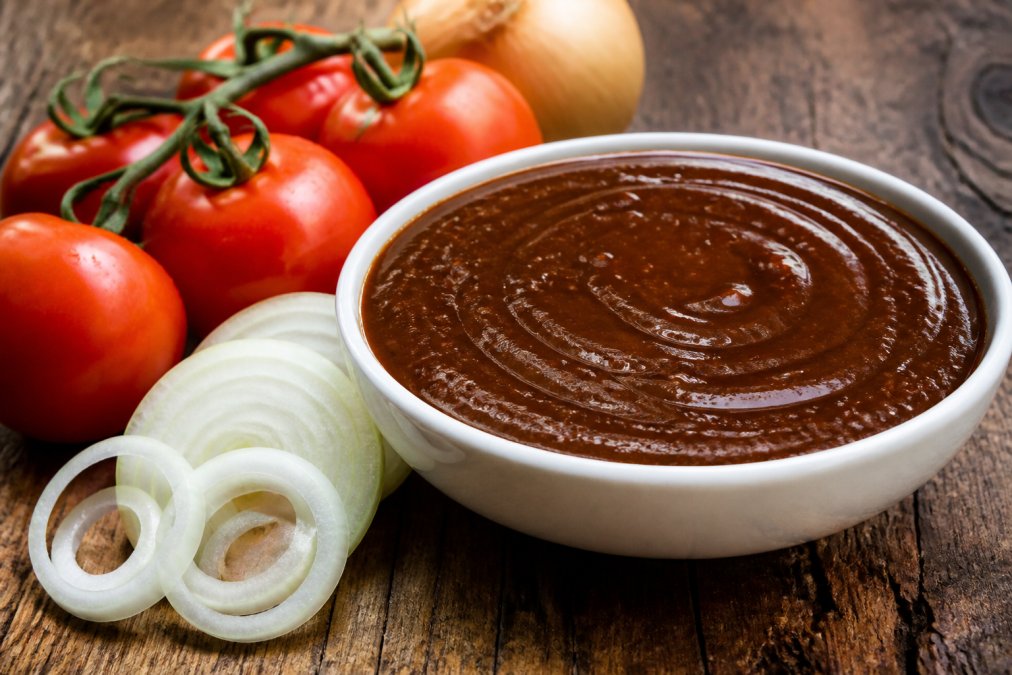
What makes Monkey Gland Sauce special is its complexity. It layers flavours, the tomato base provides acidity, whilst dried fruit adds sweetness and depth. Spices like cinnamon and coriander create warmth, and vinegar ties everything together. The result is a sauce that enhances rather than masks the quality of the meat it accompanies.
The Ambassador from Waz's Sauce Hut honours this tradition whilst adapting it for modern kitchens. Inspired by the classic Monkey Gland formula, it combines ripe tomatoes, sweet chutney, onions, and a carefully balanced mix of spices. Each bottle is handcrafted in a small commercial-grade kitchen in the UK, with ingredients selected by hand and cooked in a large induction cooker. This approach preserves the complexity that made the original sauce legendary. Maintaining such consistent quality requires a thoughtful approach to equipment, which is why many home cooks are now integrating sustainable kitchen gadgets into their daily routines to ensure every batch of sauce remains as precise as the first.
Traditionally, Monkey Gland Sauce was served alongside grilled steaks at braai, the South African equivalent of a barbecue. It works equally well on ribs, chicken, sausages, and roasted vegetables and even on a simple cheese platter.
Peri-Peri and Hot Sauce Variations
Peri-peri sauce represents a different approach to southern african sauce recipes, one that centres heat and intensity. Originating from Portuguese influence in Southern Africa, peri-peri uses small, fiery chillies as its primary ingredient, balanced with lemon juice, garlic, and oil. The result is a sauce that brings serious heat without sacrificing flavour.
Bringing Southern African Flavours to Your Everyday Kitchen
Integrating southern african sauce recipes into regular cooking doesn't require special occasions or elaborate preparation. The simplest approach is treating these sauces as everyday condiments rather than celebratory additions. Keep a bottle of The Ambassador on hand for quick meals, stir it into pasta, brush it on roasted vegetables, or serve it alongside simple grilled chicken, and to end off the evening some cheese and crackers.
Frequently Asked Questions
What are the essential ingredients in traditional Southern African sauces?
Southern African sauce recipes typically rely on ripe tomatoes, onions, garlic, and spices like coriander and cumin as their foundation. Many include chutney elements for sweetness and depth, whilst others feature chilli for heat. The balance of sweet, savoury, and tangy flavours is central to authentic Southern African cooking. These sauces often incorporate vinegar for acidity and fresh herbs for brightness, creating complex layers of taste that work across marinades, glazes, and condiments.
How do I balance heat and flavour in homemade Peri-Peri sauce?
Start with a manageable amount of fresh chillies and build heat gradually—you can always add more but cannot remove it. Combine chillies with garlic, lemon juice, and oil to create a balanced base. Add paprika for smokey depth without overwhelming heat, and include vinegar to cut through richness. Taste as you go, adjusting chilli quantity and acidity to your preference. Many home cooks find that balancing heat with citrus and fat creates the most enjoyable result for their palate.
Can I use Southern African sauces as marinades for BBQ?
Yes, Southern African sauces work excellently as marinades. Their combination of acidity, spices, and savoury elements tenderises meat whilst infusing it with authentic flavour. Apply the marinade generously to your protein, allow it to sit for at least 30 minutes, and cook as normal. The same sauce can serve multiple purposes—marinate your meat, brush it on during cooking, and serve it as a finishing condiment. This versatility makes Southern African sauces ideal for both casual weeknight meals and weekend braais.
What dishes pair best with authentic Southern African condiments?
Southern African sauces complement grilled meats beautifully, from steaks and chicken to sausages and burgers. They also work with roasted vegetables, plant-based options, and even pasta dishes. Many home cooks stir them into casseroles for extra depth or serve them alongside chips and bread. The sweet and savoury profile means they lift simple recipes into something memorable, making them perfect for everyday cooking as well as special occasions and entertaining.